


Let’s get this straight: I love Bandcamp. It’s the streaming platform that fosters the most direct relationship between artists and listeners, and everyone who sells their digital music, vinyl, CDS, and merch there actually makes a decent return on their investment.
I love their business model so much that I’d buy the company if I had the cash just to make sure they would continue to run a fine online storefront for musicians and prevent anyone screwing up a good thing with ideas about irrational growth and innovation.
Sometimes a business is a just good business. Not everyone should try to emulate Silicon Valley tech billionaires. What if those clowns from Crumbl had learned how to bake cookies that people wanted to try more than once instead of creating monstrosities that look better on TikTok than they taste in your mouth? The company might be a lot smaller today, but Crumbl probably wouldn’t be facing imminent collapse as people begin to realize the horror of those undercooked thousand-calorie dough bombs.
I hope Bandcamp is profitable. I hope no one who’s invested in the company has plans to pump it up to a multi-billion dollar valuation. The people running the company are providing an important alternative for musicians looking to share their music online. Let’s hope that’s enough.
Anyway, Bandcamp rules. If you’re really into an indie artist you discovered on Spotify, head on over to Bandcamp and send them some real money (even if you’re going to continue streaming their music at Daniel Ek’s Artists Optional rental agency).

Still, no one’s perfect. Bandcamp just issued an edict that attempts to ban “AI music” from the platform:
Music and audio that is generated wholly or in substantial part by AI is not permitted on Bandcamp.
Any use of AI tools to impersonate other artists or styles is strictly prohibited in accordance with our existing policies prohibiting impersonation and intellectual property infringement.
I think they’re misguided, but they join a long tradition of the industry freaking out about new technology.
The history of doom
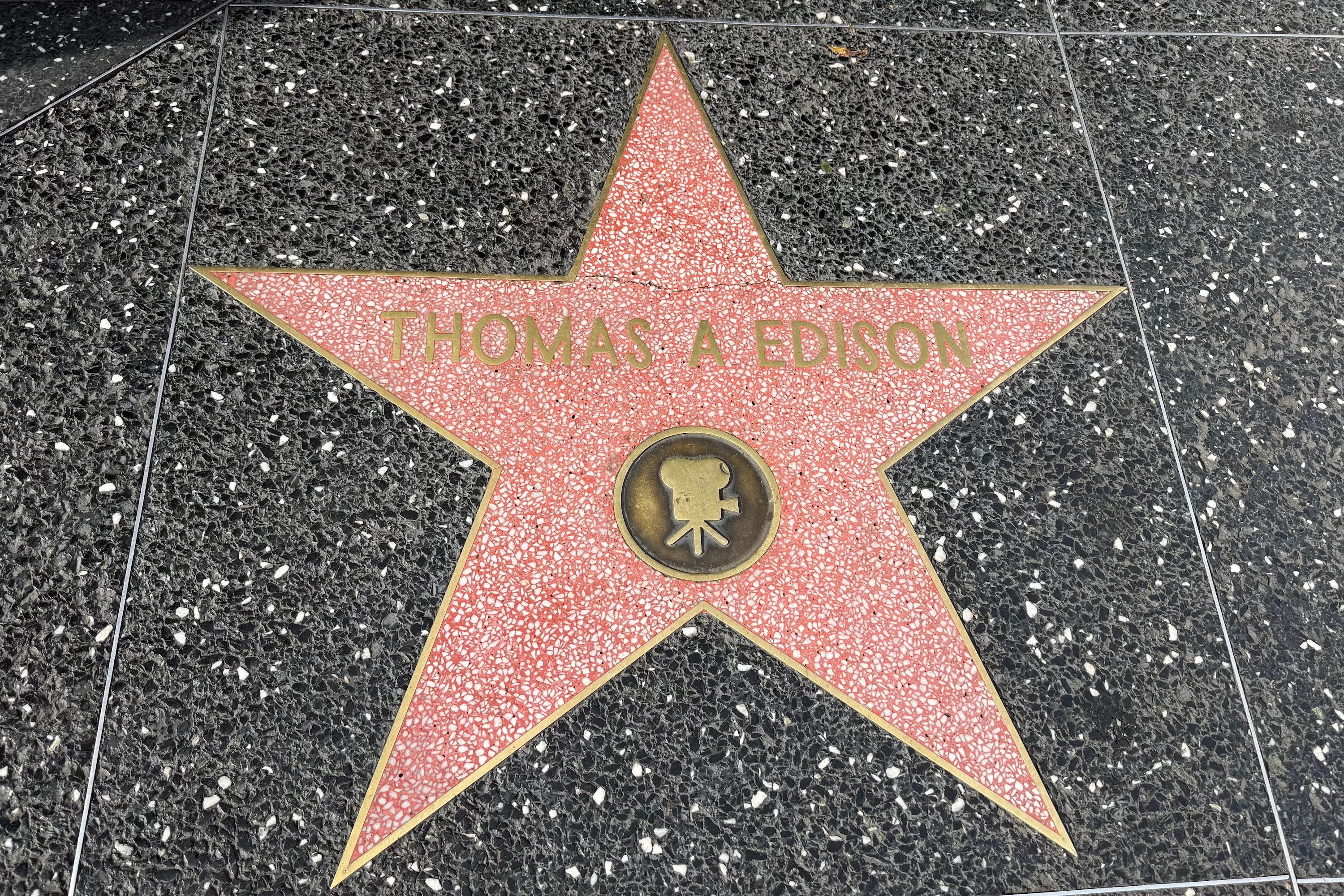
Let’s go back to the 1920s when Thomas Edison lost his damn mind when competitors introduced electrically-powered microphones to amplify the signal and create more listenable recordings. Edison and team acoustic recording decried the new technology as an unlistenable distortion that destroyed the live feel of traditional recording. The world was coming to an end.
Fast forward a couple of decades. Bing Crosby developed a vocal technique that gave electrical microphones an illusion of intimacy previously unheard in recorded music. Fans celebrated. Unfortunately for the purists, Crosby had invested heavily in tape recording technology after World War II. Les Paul saw the technology as a way to destroy the integrity of a real-time performance and created sounds unheard in nature when he popularized overdubbing. The lies and distortion created by electrical amplification seemed a minor foul compared to this new assault on musical technique. The world was coming to an end.
Barely a decade later, four-track and eight-track recorders allowed groups to stack up take after take on a track, creating crowded recordings that would be impossible to recreate live. After their first couple of albums, listeners could no longer figure out what (or even if) the four guys in the Beatles were actually playing on those records they released. Music was even less connected to reality, and the world was coming to an end.
Things got complicated as 24-track recording became the standard, but no one was ready for the fundamental shift made possible by electronic drum machines and samplers. Musical technique was no longer required to make compelling music, and an entire new generation could try to capture the sounds in their heads without any training. The world was definitely coming to an end.
This time, however, the powers that be decided that sampling was a copyright violation. Rather than create a universal licensing structure for incidental use of previously released recordings and songs, they came down hard and created a world where each sample had to be licensed on its own with zero limits on what the original owner could charge.
I’ve made it clear that I think this was the moment that stunted the evolution of popular music. If someone covers your song and wants to change the structure and lyrics (cf. Puff Daddy’s “I’ll Be Missing You” is a cover of “Every Breath You Take”), the original writers should have full control. If someone samples a guitar lick or a drum break and creates something entirely new, there should have been a standard licensing share so that everyone could get back to making hit records.
Yeah, that means I disagree with Howard Kaylan and Mark Volman of the Turtles, who sued De La Soul for $2.5 million over their use of a “You Showed Me” sample in the track “Transmissions Live from Mars.” Volman said “sampling is just a longer term for theft” and that “anybody who can honestly say sampling is some sort of creativity has never done anything creative.” Boomer propaganda and dead wrong.
Digital recording followed in the 90s, which allowed producers to employ technological cures to substandard performances with plug-ins like Beat Detective, Melodyne, and Autotune. Singers didn’t have to deliver a complete take once it became painless to comp the best scraps from a dozen tracks, and just about any drummer could be made to sound competent by locking their tracks to the grid. The world was coming to an end.
Guess what? Awful recordings happened, but every technological innovation has been incorporated into the workflow of popular music and became just another way to make a record. Plenty of people continue to use the old ways, and lots of new creators learn their craft with the latest tools. The world has never come to an end.
I know producers who are working out arrangements with AI and then asking studio musicians to base their parts on the AI roadmap. Is that music “generated in substantial part by AI”? What about writers who are using AI to work out ideas?
Plenty of hacks are going to make terrible, unoriginal music with AI tools. Plenty of hacks have used every other technological innovation to make equally terrible music.
If you’re angry about tech companies using existing recordings to train their AI models, I’ll agree that the creators of AI-generated music should pay into a royalty pool that benefits everyone whose copyrights contributed to building those tools.
I’m not sure that Don Henley and Sting should get a disproportionately large share of that new income, though. If the AI alarmists get their way, we’ll get a convoluted licensing and payout system that’s just as flawed as the one we have now and the same old players will get paid yet again for recordings that were hits 50 years ago.
AI is a tool. Like all technological innovation, it’s going to damage the careers of some people and enhance the prospects of others. Talent will win in the end.
Made with AI
Speaking of AI, a huge chunk of this post was composed using AI tools. There’s so much AI that it would probably be banned on Bandcamp.
I’ve been using the Soundcore Work for the last few weeks. It’s a device marketed as a blah, but it’s really more akin to a digital note taker. The artificial intelligence in the Soundcore app transcribes any conversation or monologue into surprisingly coherent text. The small button device can be clipped with a magnet onto a shirt collar, or you can wear it with a lanyard.
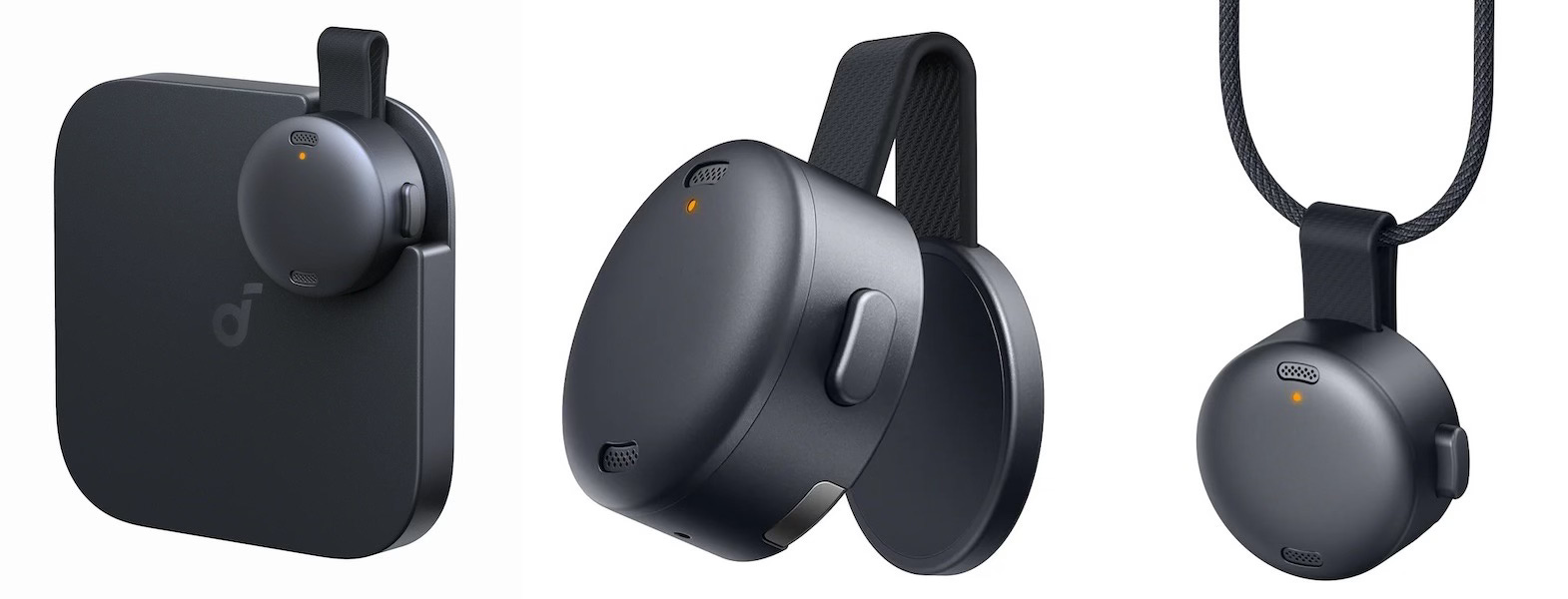
When you press the button and the light comes on, anyone you’re with knows that you’re recording (important in a state like California where one-party recording is illegal). It’s allowed me to think aloud about this project while I’m walking instead of forgetting everything before I get home, something that’s an ongoing issue for me. Soundcore doesn’t advertise the Work as waterproof, so I’m not sure it helps me with the stuff that comes to me in the shower.
The Soundcore Work lists for $159, but I’ve seen it on sale for as low as $99. You can get one right now for $120. That price includes the free plan, which comes with 300 minutes a month of transcription at no extra cost. If you plan on using it all day, every day to keep track of your mind, the Pro plan ($15.99/month, $69.99 bi-annually, $99.9/year) gives you 1,200 minutes a month. Unlimited is $239.99/year.
If you’re using it to record an interview or a meeting, it can split the transcription to highlight each individual speaker. It’s not a tool for everyone, but I’m going to continue experimenting with it and see if it can help me pick up the tempo on my writing.
One flaw is that those transcriptions are heavy on the time code, especially if you hesitate when organizing your thoughts. I solved that problem by using ChatGPT to write macros for Microsoft Word that strip out the time code and organize my transcription into one long paragraph. I’ve been using Word for decades and always hit a wall whenever I heard someone suggest using a macro. This is progress.
Soapbox in Los Angeles
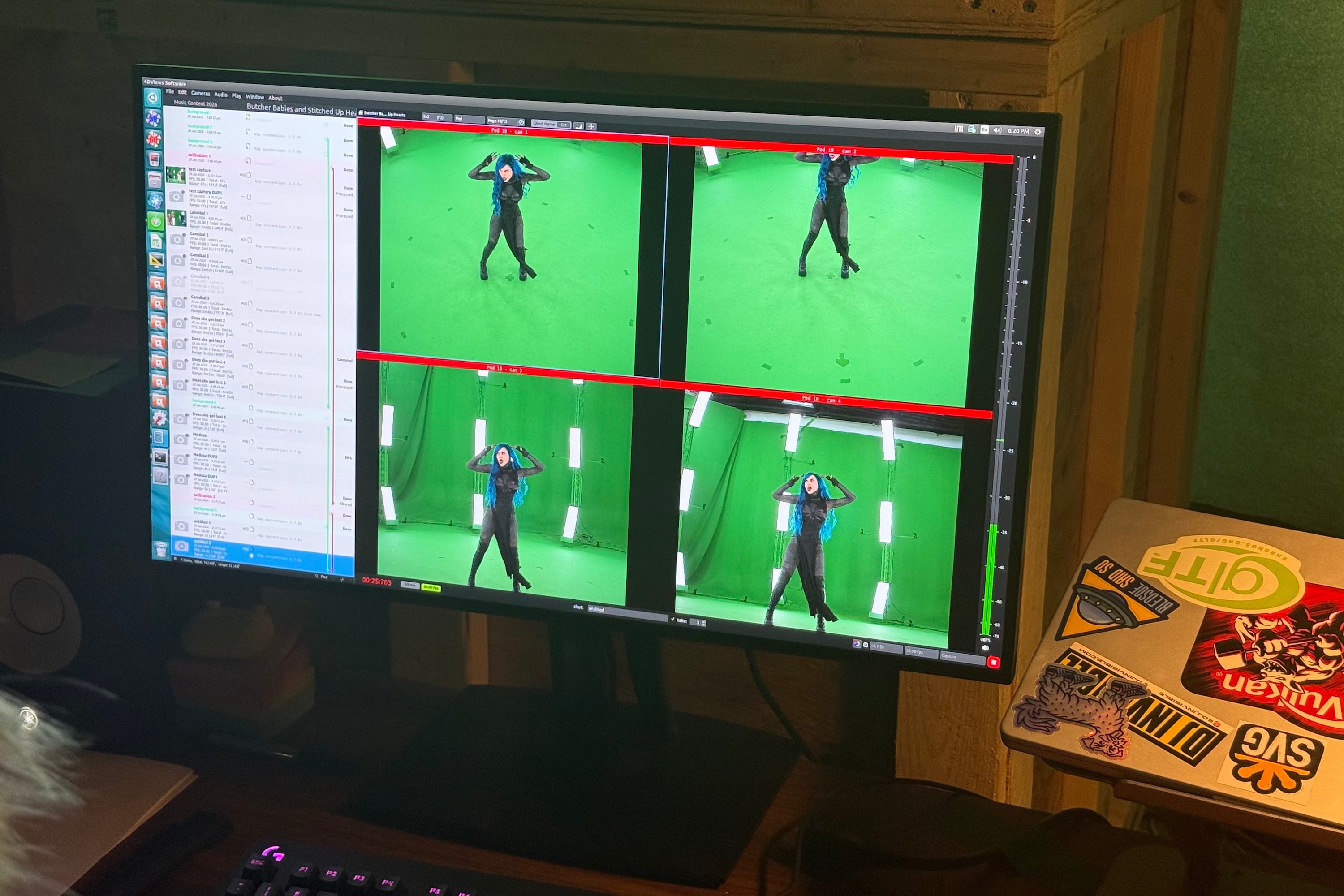
At my day job, we took down our 48 4K-camera system, servers, and audio recording gear before packing onto a truck and driving it all to Los Angeles. Soapbox set up a pop-up in Hollywood to demo the technology for artists, executives, influencers, and investors. We’ve captured a lot of performances and will be processing our live recording footage into life-size holograms over the next few weeks.
There’s talk of extending the stay. We’re still looking for high-profile artists to film while we’re here, especially rock and country artists (who seem to be far more hesitant than hip hop, R&B, and pop singers).
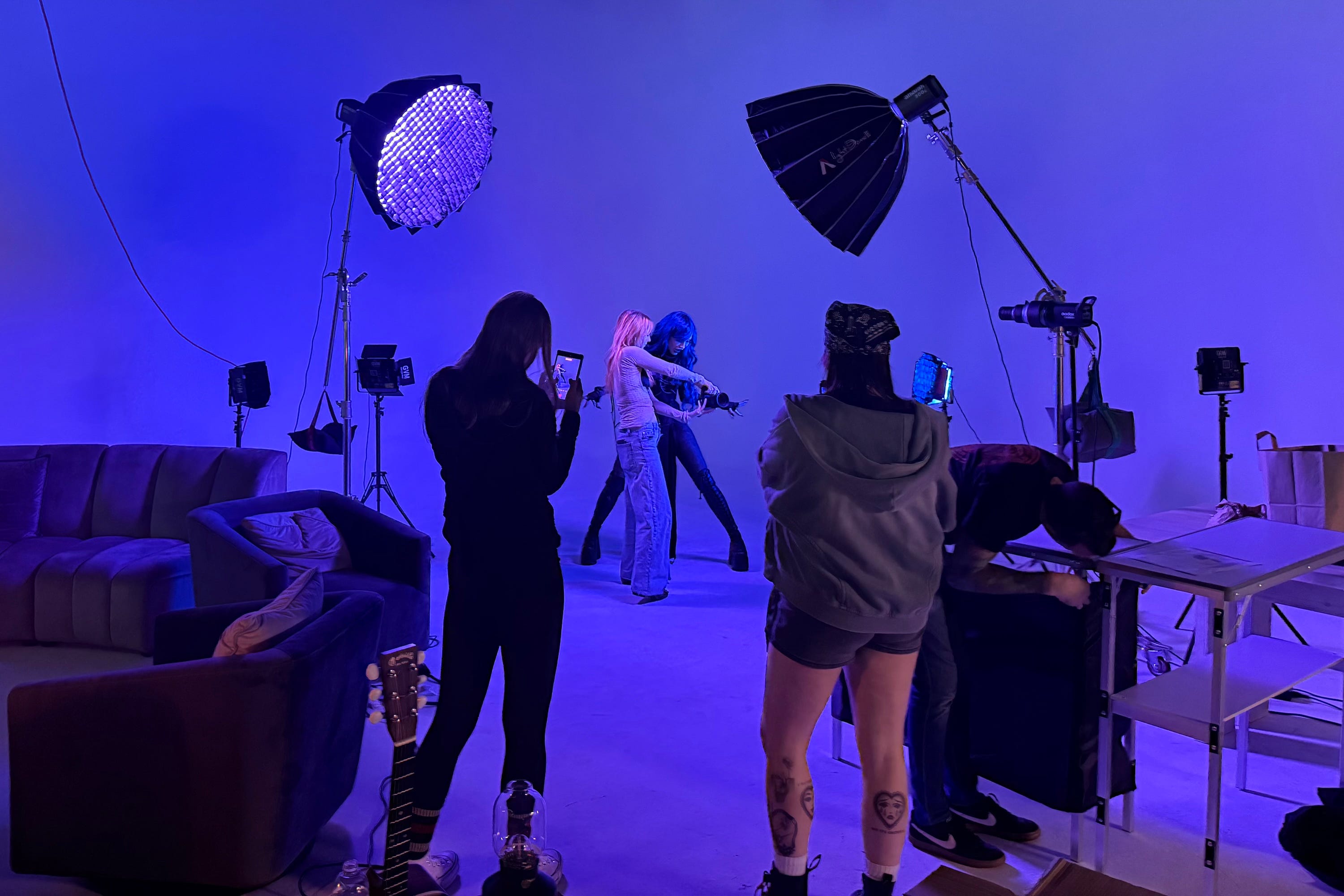
Does Soapbox use AI? Well, technically yes. Artificial intelligence plays a role in training the processing software, continually tweaking and improving our output. The actual performances on the app are things that happened in a single take in real time with no edits or overdubs. You can still download the Soapbox app for Meta Quest and check out a demo of our upcoming phone app on the Apple or Google app stores.
Grammy report
The most exciting thing about this year’s Grammys is that this is the last year they’re going to be on CBS. Next year we’ll finally find out who put all that weird, hypey wordplay in the script for the hosts (whether it be Trevor Noah, Alicia Keys, James Corden, or LL Cool). Was it CBS executives hoping to grab the attention of their old viewers or does the Grammy organization really want to present music as the exclusive domain of thirsty influencers who don’t have the confidence to hang back and let the crowd come to them.
Grammy Trevor acts like he’s crammed for an exam after skipping an entire semester’s worth of classes, treating every person who walks on stage like they’re a previously unknown member of the Beatles.
Regular Trevor is a funny man with a sly wit. He’s never afraid to sit still while waiting for his joke to land. I don’t recognize the guy who’s up there shilling for CBS.
I hoped to back up my words with an example video, but the internet is choking on the outrage about his limp jokes about our leader. I don’t have the patience to wade through all that muck. If you really need to see for yourself, the ceremony is available on Paramount+ and all the usual torrent sites.
Here’s to next year’s broadcast on ABC. I’ll be most interested to see if the 2027 ceremony drops the sweaty GRAMMY cheerleading and gets back to letting music stand on its own. ABC dumped the Oscars when they signed on to air the Grammys. Here’s hoping they’re serious about improving the show.
Otherwise, I was deeply embarrassed for Slash, Duff, Chad, and Post when that other guy on stage threw his guitar up in the air and let it crash to the ground at the end of their performance of “War Pigs.” Let’s not say his name since he’s not actually a rock star, no matter what all the executives blowing smoke tell him when they’re trying to recruit him as a producer in a desperate attempt to save another geriatric career.
Public Service Announcement
Holly Aguirre’s been covering the Jeffrey Epstein story for seven years now, and she’s been far more interested in the institutional rot that allowed that guy to operate in the open than the salacious stories about individual rich guys who used his services to make themselves seem special.
One of her most compelling angles has been largely confirmed by the latest file dump. The facts go against the us-vs.-them narrative that fuels most of the news these days. No matter who your heroes might be, they’re connected to this slime pit either directly or through one of Epstein's many proxies. Read this.

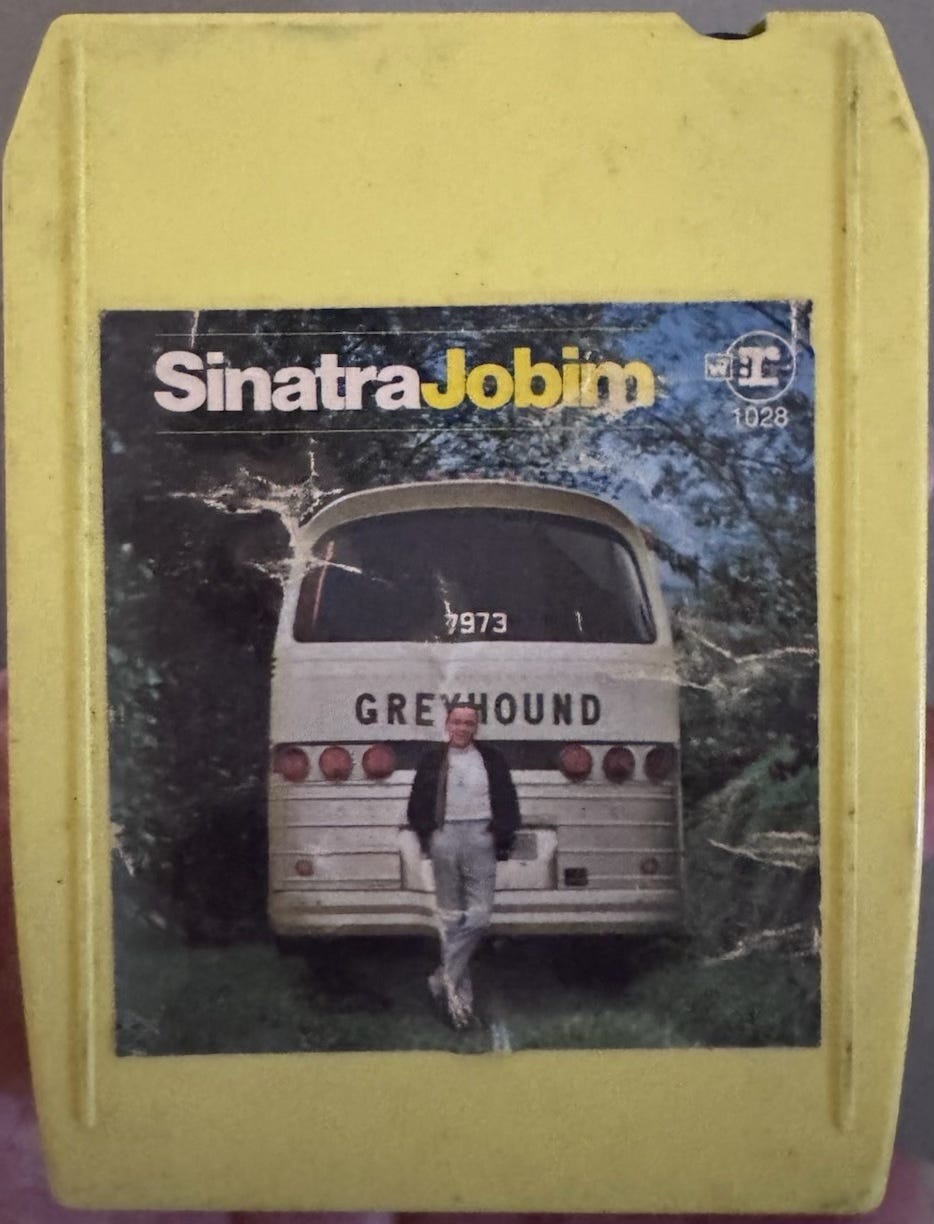
8-track of the day
I think, in Bandcamp's defense, their decision was for all the right reasons.
Firstly, the platform was getting flooded with AI-generated music. When someone releases 50 albums in three months, it's amounting to spam and makes it difficult for users and other artists and severely degrades the platform.
Secondly, they're differentiating themselves in the market and pretty much staying on brand.
Which leads me into my disagreements with this article, althought I appreciated it. I enjoyed the history lesson in tech, but there are components of Generative A.I. as it is today that separates this discussion from previous technology used in music. These are:
A. The technology is largely owned by corporates - not just produced, but owned. They can turn it on and off at will, decide when to change the TOS, lock you out of your own creations, etc. It all sits in the Cloud. It's fundamentally disempowering and it's not going to stay cheap forever.
B. Gen A.I. turns music into another content creation game. One might argue that it was always a content creation game to a degree (all art does often reward those who are prolific) but this is pretty next level. This dilutes the market because quantity wins over quality as it's just about gaming the algorithm. The emphasis is on speed-to-market rather than originality and at least some care. But when everyone is able to generate music easily, there's no longer anything special about any of it. It's a very different problem compared to what some people didn't like about drum machines or sampling!
C. Music becoming a content creation game degrades the value of the platforms. Hence, Bandcamp have probably made the right call IMO.
I honestly think for a lot people who do not like Gen A.I. specifically (such as myself), it's not about being scared of new technology, it's a distaste for how the tech was developed (the copyright debacle) and how it's being deployed. What I'm seeing is another landgrab from an unethical technology industry that, at the end of the day, will lead to a disempowerment of everyone else and forces creators into another system where we have to just constantly pump out content to get a slice of a pie that Silicon Valley ultimately controls. If we haven't learned by now that Silicon Valley exists for Silicon Valley, I don't know when we'll ever learn.
1. I didn't watch more than 30 minutes of The Grammys (Look! No apostrophe!) - or the Grammies (for true English grammar nerds), so I have no idea who put their guitar airborne. We were eating sushi during a short late supper break from recording.
2. Yes, Trevor was running half-cocked. Disappointing. Love him.
3. I hope ABC get some smart MUSIC people in to consult for '27 - it's theirs to revive and get right. (Do you have your Resume ready?!)
4. Holly A. is THE BALLS. Fierce and Fabulous.